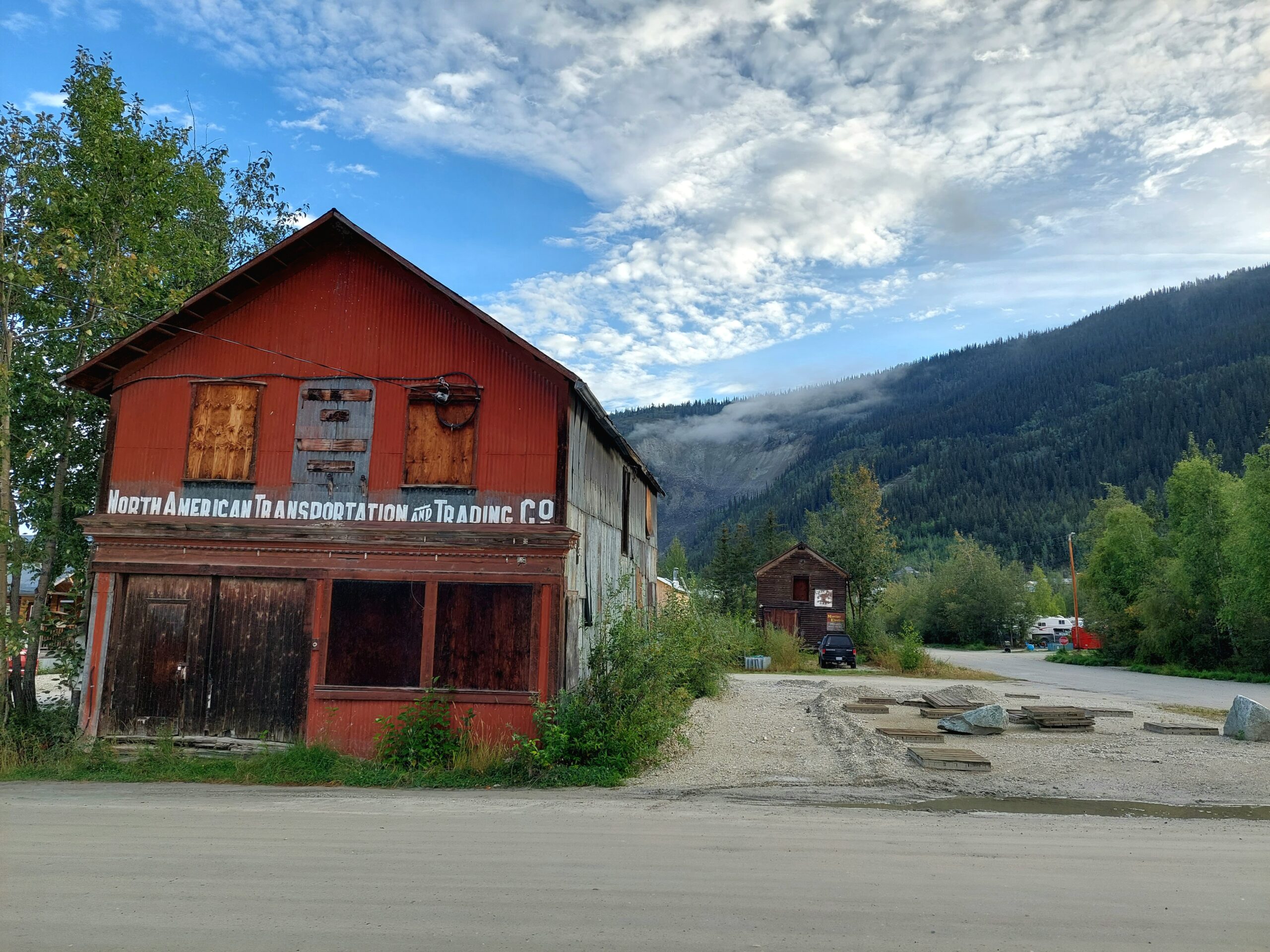
To prepare for the future Canada needs a collaborative partnership for climate change adaptation.
Permafrost underlies more than a third of Canada and a warming world will drastically change the environment. Permafrost is a product of a cold climate. It commonly extends to depths of tens or hundreds of metres and has been frozen for centuries to millennia. Unlike snow or vegetation, permafrost cannot easily be observed from satellites or aircraft as it is hidden beneath the active layer, the surface layer of the ground that thaws each summer.
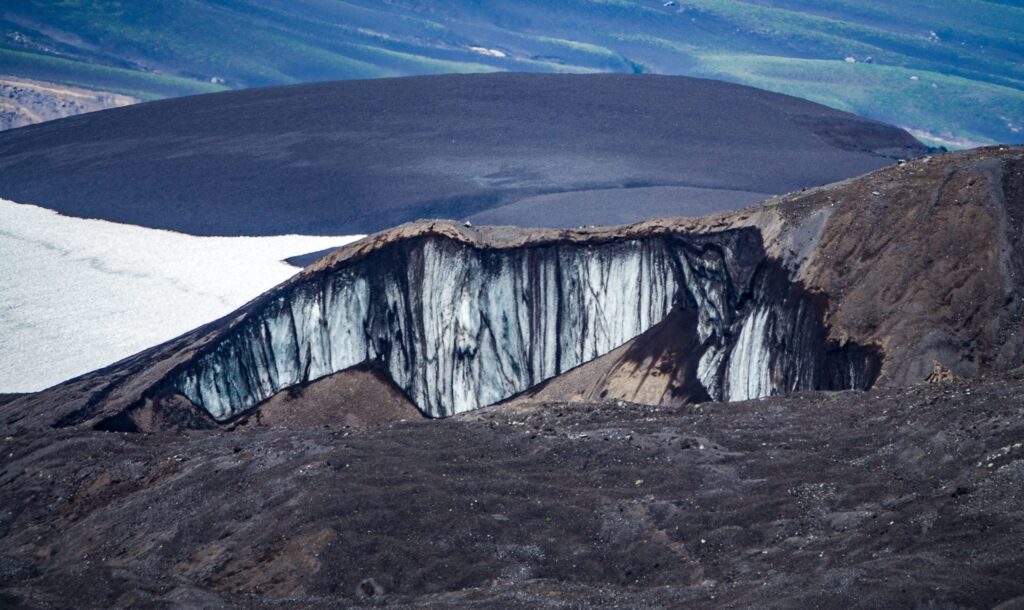
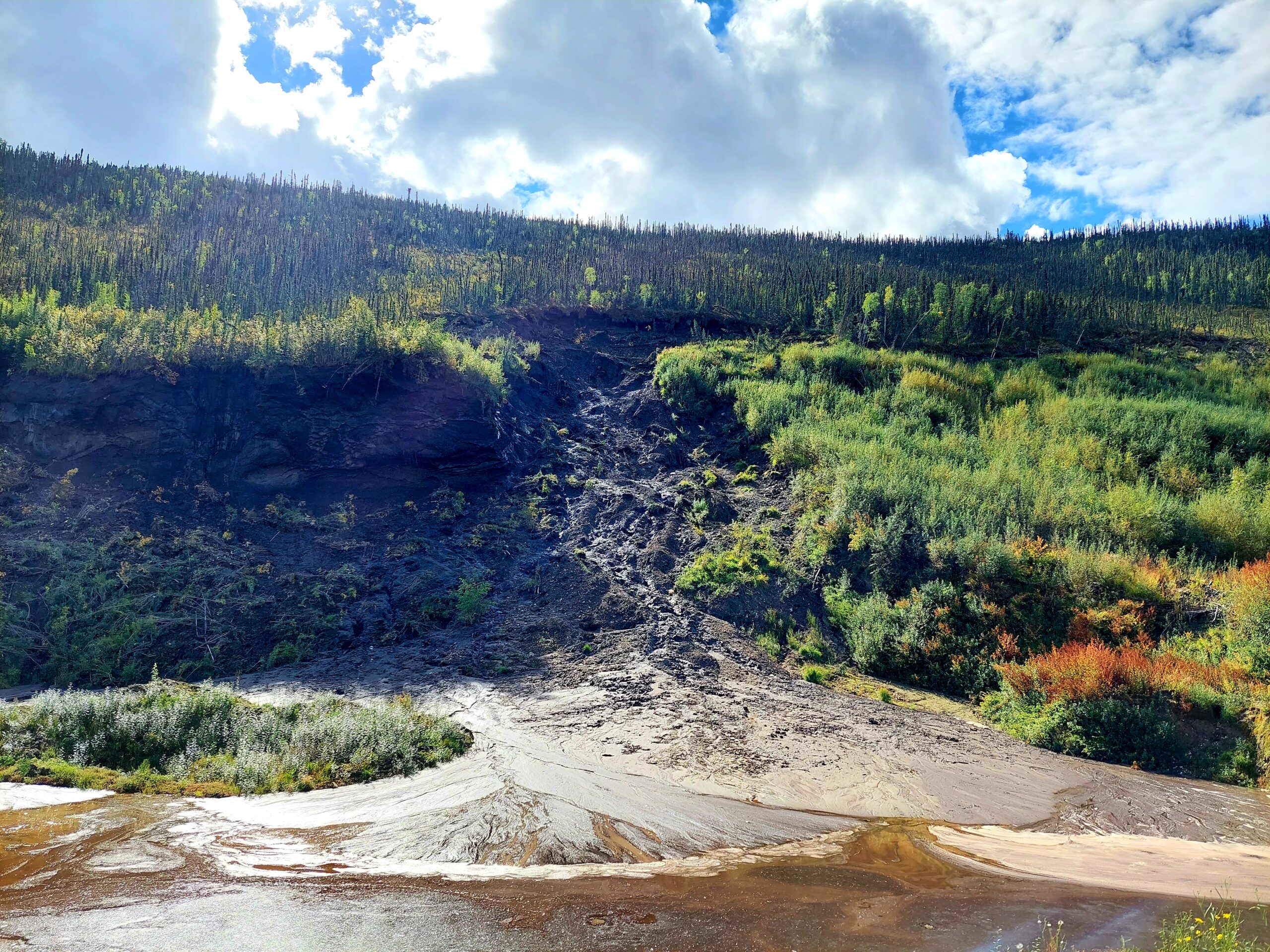
Climate change is causing permafrost thaw through increased atmospheric temperature and changes in rainfall and snow. Permafrost thaw, the gradual melt of subsurface ice, causes significant changes to soil behaviour, such as loss of strength, and can disrupt natural systems and the built environment. Thaw may lead to subsidence on flat ground, but to landslides on hillslopes. Widespread permafrost thaw also leads to release of greenhouse gases from carbon currently entombed in frozen ground, further increasing global warming. Climate change and disturbance from development or forest fires interact and often amplify each other in their effect on permafrost conditions.
Thawing permafrost directly impacts the lives of northerners, threatening the safety, reliability and costs of infrastructure while decreasing the quality of life in northern regions.
Canada’s Permafrost Partnership Network unites researchers from universities, with partners in government agencies, industry and Indigenous communities, who share the common goal of boosting Canada’s ability to monitor, predict and adapt to large-scale permafrost thaw and its consequences.